

Electric Vehicles Are Reshaping Global Demand for Copper, Nickel, and Lithium
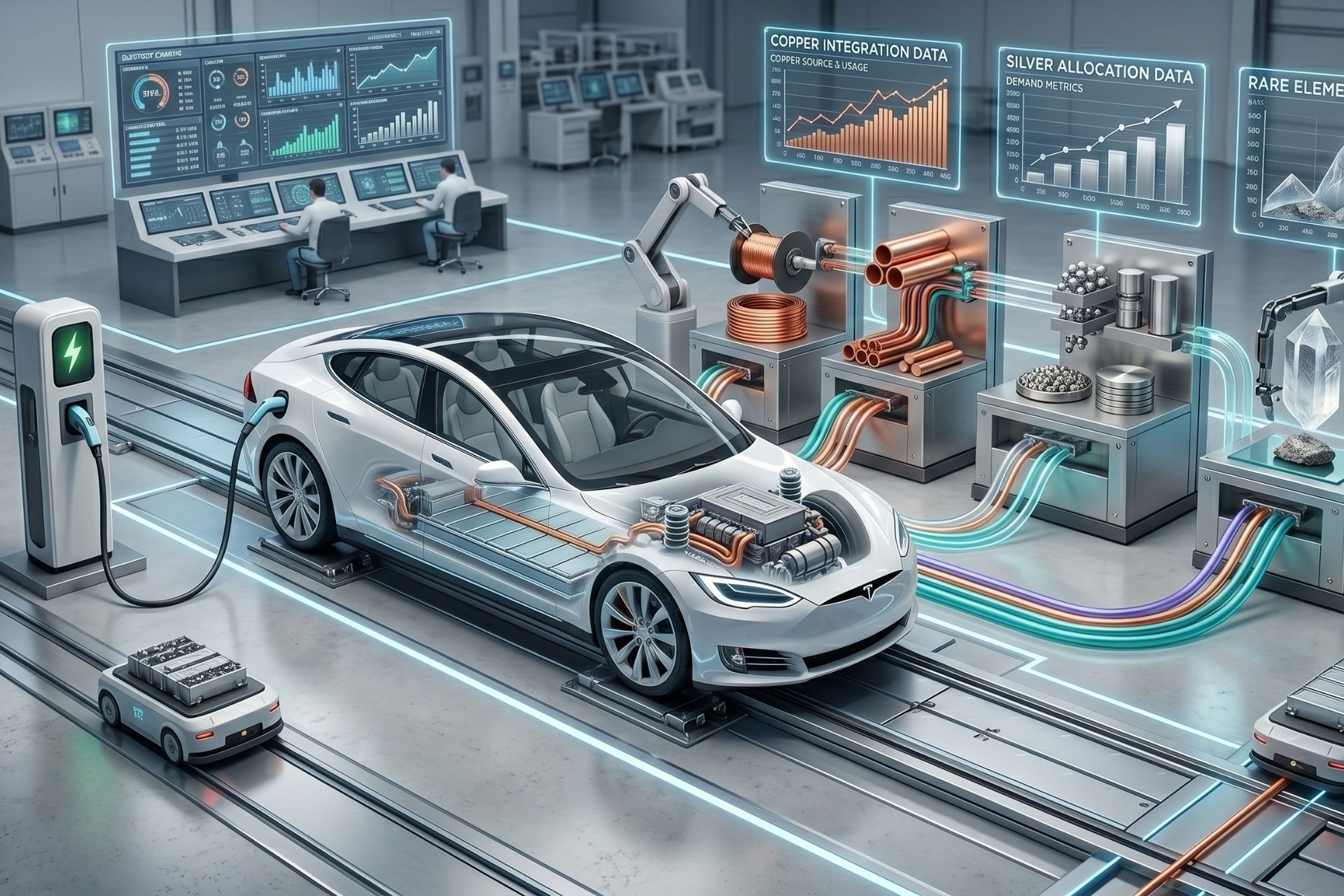
The rapid global adoption of electric vehicles is fundamentally reshaping demand across the non-ferrous metals sector. Each electric vehicle requires up to four times more copper than a conventional internal combustion engine vehicle, used across wiring harnesses, motors, and charging infrastructure. Aluminum is equally critical, serving as the primary material for lightweight vehicle bodies, battery trays, and structural components. Nickel, lithium, and cobalt form the triple pillars of EV battery chemistry, enabling the high energy density and thermal stability that modern vehicles demand.
According to data from the Copper Development Association, new data centers added in 2026 alone will consume an estimated 460,000 tonnes of copper — illustrating how the AI infrastructure boom and the EV revolution are simultaneously competing for the same limited pool of metals. Morgan Stanley analysts have highlighted that building out renewable power and electric transport requires vast quantities of industrial metals, with copper, aluminum, lithium, nickel, and cobalt all seeing robust demand from car production, battery manufacturing, solar panels, wind turbines, and upgraded electric grids.
In China, Europe, and the US, strong investment in renewable energy and associated infrastructure has already boosted demand for base metals. That trend is expected to accelerate through 2026 and beyond as countries race to expand green capacity and meet climate commitments, making non-ferrous metals more strategically important than ever before.
Global EV battery demand is set to drive lithium consumption up by 40% by 2026, reshaping global supply chains.