

Aluminum Scrap Evolves Into a Strategic Resource as Nations Compete for Domestic Supply
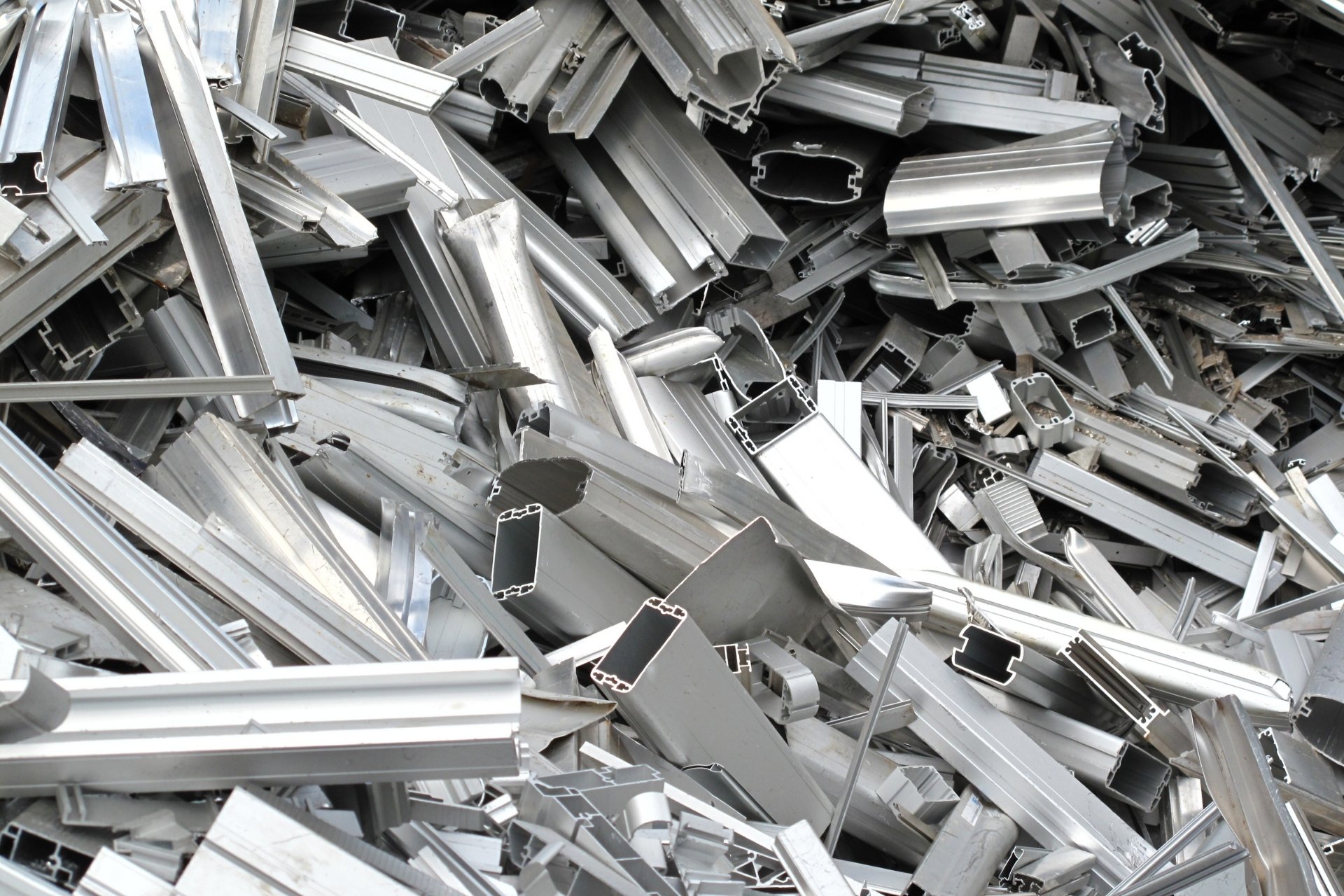
Governments and industry bodies worldwide are increasingly treating aluminum scrap as a strategic national resource, with supply security becoming a top policy priority. In May 2026, the Bureau of International Recycling (BIR), Recycling Europe, and several other industry organizations submitted a joint letter to the European Commission opposing proposed export restrictions on aluminum scrap. The groups argue that Europe does not face a structural scrap shortage and warn that export controls could harm recyclers, reduce investment, and weaken the circular economy.
The debate reflects a broader global trend. European Aluminium has argued that large volumes of high-quality scrap leaving the region are weakening the competitiveness of Europe's domestic recycling industry, with some secondary aluminum production capacity remaining underutilized as a result. The issue is closely tied to the EU's industrial and climate strategies, and the final policy outcome remains under active discussion.
Elsewhere, Japan introduced a new Circular Economy Action Plan in 2026 targeting approximately ¥1 trillion in circular economy investment by 2030. The initiative aims to improve resource productivity, increase recycling rates, and reduce reliance on imported raw materials — reinforcing a global shift toward securing domestic non-ferrous metal supply chains in the face of rising geopolitical uncertainty.
For decades, aluminium scrap has been traded globally as a conventional recyclable commodity, with trade flows largely driven by price, logistics costs and regional supply-demand dynamics. However, as energy transition, low-carbon manufacturing and resource security become increasingly important, the strategic value of aluminium scrap is being reassessed worldwide.